
The modern workplace is more than just a place to work—it is an environment that significantly impacts employee well-being and productivity. A well-designed office prioritizes physical comfort, mental well-being, and social engagement. By integrating ergonomic furniture, natural lighting, and design elements, companies can create spaces that enhance focus and reduce stress. Thoughtful design fosters a sense of belonging and motivation, ultimately leading to improved job satisfaction and performance.
Workplace culture is deeply influenced by its physical environment. Office layouts that encourage collaboration while maintaining areas for focused work contribute to a balanced and dynamic company culture. Open spaces, breakout areas, and flexible seating arrangements promote teamwork and inclusivity. Furthermore, branding elements incorporated into the workspace—such as mission statements, company colors, and personalized touchpoints—reinforce the organization’s identity and values, making employees feel more connected to their workplace.
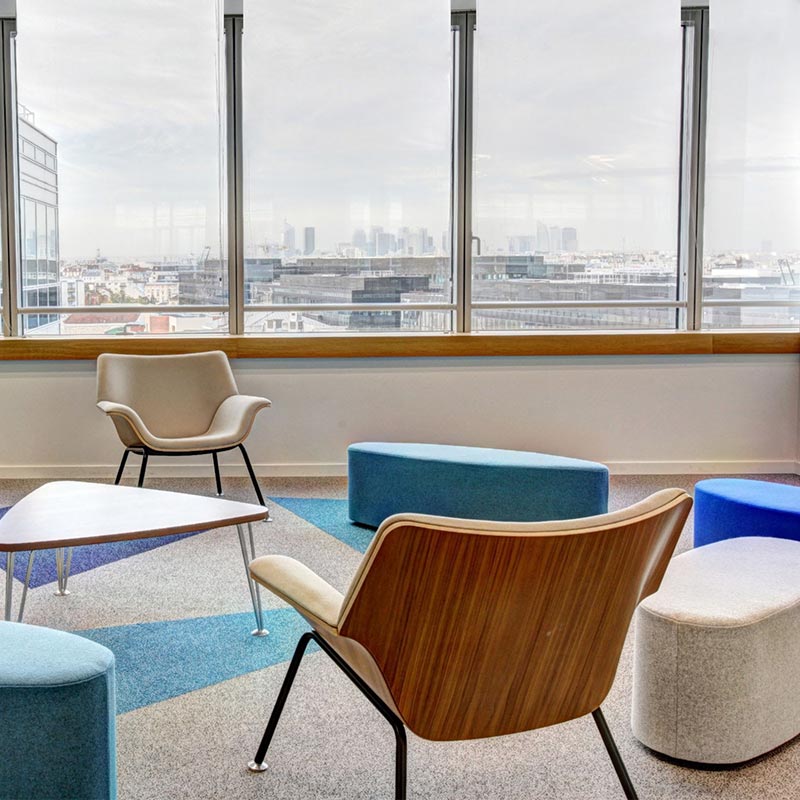
Collaboration is the heart of innovation, and designing spaces that encourage teamwork can drive business success. Social spaces such as communal lounges, café-style break areas, and brainstorming zones create opportunities for spontaneous discussions and creative problem-solving. A mix of open and semi-private areas ensures that employees have options based on their work styles. When employees feel comfortable and engaged in their environment, they are more likely to collaborate effectively and develop stronger professional relationships.
As businesses continue to evolve, workplaces must adapt to the shifting needs of employees. A people-first approach to office design emphasizes flexibility, inclusivity, and functionality. Hybrid work models require adaptable layouts with shared desks, quiet zones, and tech-equipped meeting spaces. By prioritizing employee well-being and experience, companies can create inspiring spaces that support productivity and retain top talent.
As businesses continue to evolve, workplaces must adapt to the shifting needs of employees. A people-first approach to office design emphasizes flexibility, inclusivity, and functionality. Hybrid work models require adaptable layouts with shared desks, quiet zones, and tech-equipped meeting spaces. By prioritizing employee well-being and experience, companies can create inspiring spaces that support productivity and retain top talent.
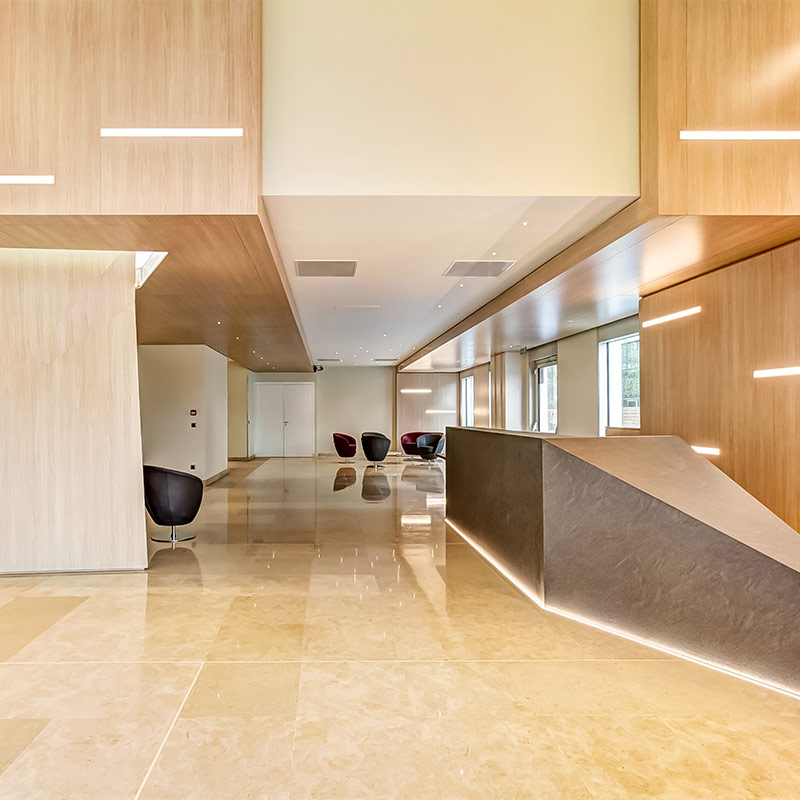
An office should reflect a company’s brand identity and values. Every design element—from the reception area to the smallest decor details is key. Customized artwork, unique furniture pieces, and company artifacts showcase the organization’s history and aspirations. Incorporating cultural and industry-specific influences adds authenticity and depth to the space. A strong brand identity in workplace design not only impresses visitors but also creating a comfortable & inspiring environment for employees, reinforcing their connection to the company’s mission.
By integrating these principles into workplace design, businesses can cultivate environments that prioritize well-being, foster collaboration, and embody brand identity—ultimately shaping a more engaged and productive workforce.